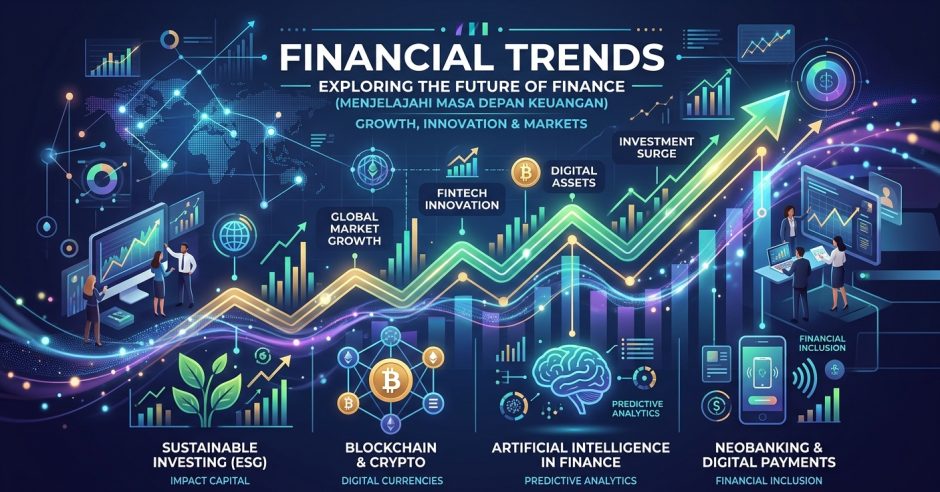
In 2026, businesses are no longer satisfied with simply predicting what might happen next—they want to know what to do about it. This shift has fueled the rise of AI-powered predictive analytics, transforming traditional forecasting into a more advanced approach known as decision intelligence.
Driven by innovations in Artificial Intelligence and Machine Learning, organizations can now analyze vast amounts of data, predict future trends, and take action in real time. This article explores how predictive analytics has evolved and why it is essential for modern businesses.
What Is AI-Powered Predictive Analytics?
AI-powered predictive analytics uses algorithms and historical data to forecast future outcomes. Unlike traditional methods, AI models can:
- Detect complex patterns
- Learn from new data continuously
- Improve accuracy over time
By incorporating technologies like Natural Language Processing, these systems can also analyze unstructured data such as news, reports, and customer feedback.
SEO Keywords: predictive analytics, AI forecasting, machine learning in finance, data-driven decision making
From Forecasting to Decision Intelligence
Traditional forecasting answers:
“What will happen?”
Decision intelligence goes further by answering:
“What should we do next?”
This evolution allows organizations to:
- Generate actionable recommendations
- Simulate multiple scenarios
- Automate decision-making processes
For example, instead of predicting a drop in sales, AI systems can recommend pricing changes, marketing strategies, or supply chain adjustments.
Key Technologies Behind AI Predictive Analytics
1. Machine Learning Models
Modern predictive analytics relies on advanced models such as:
- Regression algorithms
- Neural networks
- Ensemble learning methods
These models capture non-linear relationships that traditional statistical tools often miss.
2. Real-Time Data Processing
Cloud computing and streaming data enable real-time analysis, allowing businesses to:
- Monitor trends instantly
- Respond to market changes quickly
- Update forecasts dynamically
3. Natural Language Processing (NLP)
With Natural Language Processing, companies can extract insights from:
- Financial news
- Social media sentiment
- Customer reviews
This adds a qualitative layer to predictive analytics.
Benefits of AI-Driven Decision Intelligence
Faster and Smarter Decisions
AI reduces the time needed to analyze data, enabling near-instant decision-making.
Improved Forecast Accuracy
By combining multiple data sources, predictions become more reliable.
Proactive Business Strategy
Organizations can anticipate changes and act before competitors.
Cost Reduction
Automation reduces manual work and operational inefficiencies.
Real-World Use Cases in 2026
AI-powered predictive analytics is widely used across industries:
- Finance: Fraud detection, credit scoring, and investment forecasting
- Retail: Demand forecasting and dynamic pricing
- Healthcare: Patient outcome prediction and resource planning
- Supply Chain: Inventory optimization and risk management
These applications show how predictive analytics is now directly influencing business outcomes.
Challenges of AI Predictive Analytics
Despite its advantages, businesses must address several challenges:
Data Quality Issues
Inaccurate or incomplete data can lead to poor predictions.
Lack of Transparency
Some AI models are difficult to interpret, raising trust concerns.
Regulatory Compliance
Organizations must ensure their AI systems meet legal and ethical standards.
The Future of Predictive Analytics
The future lies in autonomous decision-making systems that can:
- Continuously learn from new data
- Predict and adapt in real time
- Execute decisions with minimal human input
As AI continues to evolve, predictive analytics will become a core business capability, not just a supporting tool.
